
By Simple IT Tech Team | Last Updated: April 2026 | Estimated read time: 6 minutes

Quick Answer: The best reverse image search apps in 2026 are Google Lens (best overall), TinEye (best for tracking image sources), and Yandex Images (best for finding similar faces). All three are free.
Have you ever come across a photo online and wanted to know where it came from — or whether it’s real? Reverse image search lets you do exactly that. Instead of typing keywords, you upload or paste a photo and the tool finds matching or similar images across the web.
It’s useful for fact-checking viral photos, finding the original source of an image, identifying a product, verifying someone’s profile picture, or discovering higher-resolution versions of a photo you already have.
In this guide, we’ve tested and ranked the 6 best reverse image search apps available right now — covering desktop, Android, and iOS — so you can pick the right one for your needs.
What Is Reverse Image Search?
Reverse image search is a technique that uses an image — rather than text — as the search input. You provide a photo (by uploading it, pasting a URL, or taking a screenshot), and the search engine scans its database to find visually similar images, identify objects or people in the photo, or locate the original source.
Under the hood, these tools analyze visual features like color patterns, shapes, and textures using machine learning. Some also read embedded metadata like file name, size, and EXIF data.
Common use cases include:
- Checking whether a profile photo is stolen or fake
- Finding the original photographer or publication of an image
- Identifying plants, animals, landmarks, or products from a photo
- Finding higher-resolution versions of an image
- Fact-checking whether a photo has been used out of context
Quick Comparison: Best Reverse Image Search Tools
| Tool | Best For | Platforms | Price |
|---|---|---|---|
| Google Lens | General image recognition | Android, iOS, Chrome | Free |
| TinEye | Tracking image sources & copyright | Web, browser extension | Free / Paid |
| Yandex Images | Finding similar faces & locations | Web, Android, iOS | Free |
| Bing Visual Search | Shopping & product lookup | Web, Windows | Free |
| CamFind | Quick mobile object recognition | Android, iOS | Free |
| Veracity | Fast Google search from iPhone | iOS only | Free |
6 Best Reverse Image Search Apps (Reviewed)
1. Google Lens — Best Overall
FreeAndroidiOSChrome
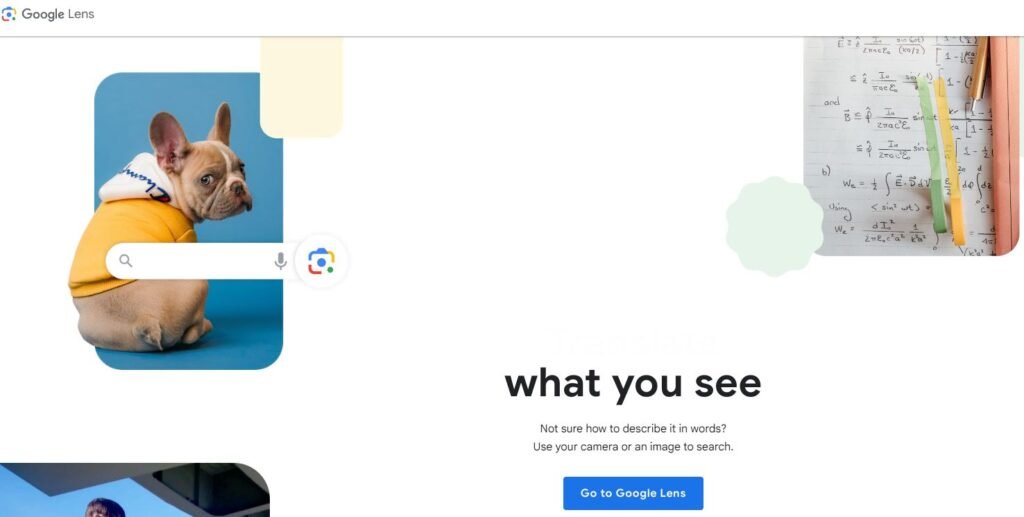
Google Lens is the most powerful and widely-used reverse image search tool available. It’s built into Android phones, the Google app on iOS, and Google Chrome on desktop — meaning most people already have it without realizing.
Point your camera at anything — a plant, a product, a restaurant menu, a piece of clothing — and Google Lens will identify it instantly. It can also translate text in photos, scan QR codes, and find where to buy a product you’ve photographed.
- ✅ Pro: The most accurate and fastest recognition engine available
- ✅ Pro: Deeply integrated into Android, Chrome, and Google Photos
- ❌ Con: Less useful for tracking the precise origin of a specific image
Best for: Everyday reverse image searches — identifying objects, reading text in photos, shopping from images.
2. TinEye — Best for Copyright & Source Tracking
FreeWebBrowser Extension
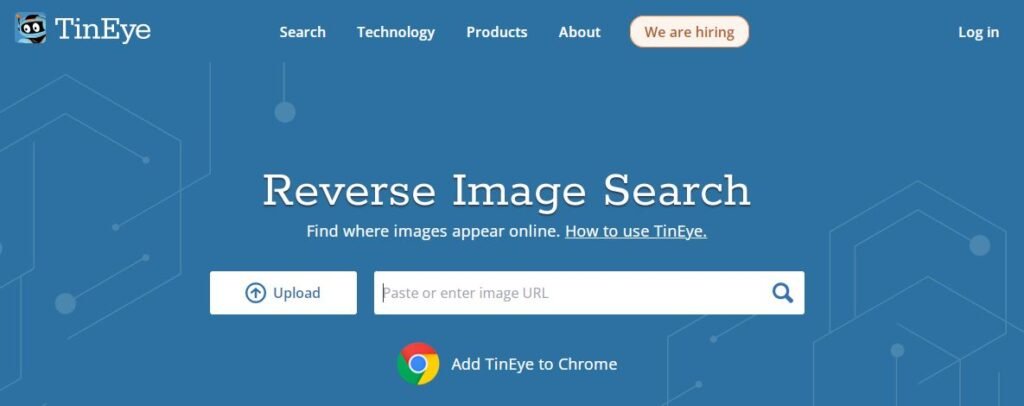
TinEye was one of the first dedicated reverse image search engines and remains the go-to tool for tracking where an image has appeared online. Unlike Google, TinEye focuses specifically on finding exact or near-exact matches — not just visually similar results.
Its index contains over 70 billion images. When TinEye finds a match, it shows you the earliest known occurrence of the image on the web, which is invaluable for fact-checking or verifying image authenticity.
- ✅ Pro: Excellent at identifying manipulated or cropped copies of an image
- ✅ Pro: Shows the first known date the image appeared online
- ❌ Con: Smaller index than Google; may miss newer images
Best for: Journalists, photographers, and fact-checkers who need to trace image origins or detect copyright misuse.
3. Yandex Reverse Image Search — Best for Face & Location Matching
FreeWebAndroidiOS
Yandex Images is Russia’s largest search engine, and its reverse image search is surprisingly powerful — often outperforming Google when it comes to finding similar faces or matching images from specific geographic regions.
It’s particularly popular among investigators and researchers trying to verify profile photos or track the origins of images that originated in Eastern Europe, Russia, or Central Asia.
- ✅ Pro: Very strong face recognition capabilities
- ✅ Pro: Finds similar images that Google often misses
- ❌ Con: Interface is less polished; results can include non-English content
Best for: Verifying social media profile pictures, finding matching faces, or searching for images with Eastern European origins.
4. Bing Visual Search — Best for Shopping & Products
FreeWebWindows
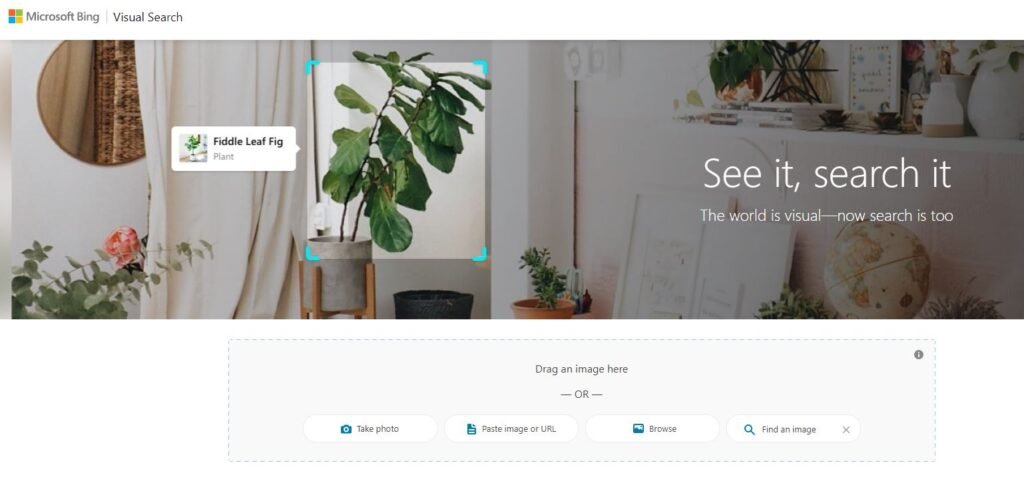
Bing Visual Search lets you upload a photo or paste a URL to find similar images, identify objects, and importantly, find where to purchase products you’ve seen in an image. Microsoft has put significant investment into this tool, and it integrates neatly with Windows and Edge browser.
One standout feature: you can circle a specific part of an image and search just that region — useful when a photo contains multiple objects and you only care about one.
- ✅ Pro: Great for product and shopping searches
- ✅ Pro: Partial-image search (search within a cropped region)
- ❌ Con: Less accurate for non-product image recognition compared to Google Lens
Best for: Finding where to buy something you’ve seen in a photo, or searching from Windows/Edge.
5. CamFind — Best Mobile App for Quick Object Lookup
FreeAndroidiOS
CamFind is a standalone mobile app designed for quick, camera-based reverse image searches. Take a photo of any object and CamFind identifies it, shows you shopping results, and displays related web content — all within the app.
It’s simpler than Google Lens and designed specifically for casual one-tap searches. If you just want a quick answer about what something is, CamFind handles it well.
- ✅ Pro: Very simple and fast to use on mobile
- ✅ Pro: Works well for product identification and barcode scanning
- ❌ Con: Less powerful than Google Lens for complex or abstract images
Best for: Mobile users who want a dedicated app for quick object and product lookups.
6. Veracity — Best for iPhone Users
FreeiOS only
Veracity is a lightweight iOS app that makes it easy to run a reverse image search through Google without opening a browser tab or copying and pasting URLs. It streamlines the Google Image Search process into a simple, tap-and-go experience on iPhone and iPad.
It’s particularly handy if you’re browsing on your iPhone and quickly want to check where an image came from without switching between apps.
- ✅ Pro: Seamless integration with Google’s image database on iOS
- ✅ Pro: Clean, distraction-free interface
- ❌ Con: iOS only; no Android version available
Best for: iPhone users who frequently need to do quick reverse image searches while browsing.
If you want to create a QR code for any of the above web application just copy the URL and use our Free QR Code Generator Tool to create QR and use it.
How to Do a Reverse Image Search (Step-by-Step)
On Android
- Open the Google app and tap the camera icon in the search bar.
- Take a photo or select one from your gallery.
- Google Lens will automatically identify the image and show results.
On iPhone (iOS)
- Open Safari and go to images.google.com.
- Tap the camera icon in the search bar and choose “Upload a file.”
- Alternatively, download the Google app or Veracity for a faster experience.
On PC or Mac
- Go to images.google.com.
- Click the camera icon in the search bar.
- Either paste an image URL or upload a photo from your computer.
- For copyright tracking, use TinEye.com instead.
In Google Chrome (Desktop)
- Right-click any image on a webpage.
- Select “Search image with Google” from the context menu.
- Results will open in a new tab automatically.
Frequently Asked Questions
What is the best free reverse image search app?
Google Lens is the best free reverse image search tool overall. It’s available on Android, iOS, and Chrome, and offers the most accurate image recognition. For tracking image sources specifically, TinEye is the better choice.
Can I do a reverse image search on my iPhone?
Yes. The easiest way is to use the Google app on iPhone, which has Google Lens built in. You can also visit images.google.com in Safari and upload a photo. The Veracity app is another dedicated option for iOS users.
How do I reverse image search on Android?
Open the Google app, tap the camera icon in the search bar, and either point your camera at something or upload an image from your gallery. Google Lens is already installed on most Android phones by default.
Is there a reverse image search for faces?
Yandex Images has strong face-matching capabilities and is commonly used to verify whether a profile photo belongs to a real person. Google Lens can also identify people in some cases, though results vary.
What is TinEye used for?
TinEye is used to find where an image has appeared on the internet, when it was first published, and whether it has been altered or copied. It’s especially popular among journalists, photographers, and researchers who need to track image origins or check for copyright misuse.
Can I do a reverse image search without an app?
Yes. You can use Google Images (images.google.com), Bing Visual Search, Yandex Images, or TinEye directly in any web browser — no app required. Simply upload your image or paste its URL into the search tool.
Conclusion
Reverse image search has become an essential skill for navigating the internet in 2026. Whether you’re trying to verify a photo, find the original source, identify a product, or check if an image is being used without permission, there’s a free tool for every situation.
Our top recommendation is Google Lens for general use — it’s fast, accurate, and already built into the devices most people own. If you need to track image sources or check copyright, add TinEye to your toolkit. And if you’re trying to verify a face or social media profile photo, give Yandex Images a try.
Have a favourite reverse image search tool we didn’t mention? Drop a comment below and let us know!
About the Author
Written by the Simple IT Tech editorial team, a group of technology writers focused on making digital tools accessible and easy to understand. We test every app we recommend.